Why Everyday Life in the US Breaks Down When Steps Are Hidden Until the Moment Begins
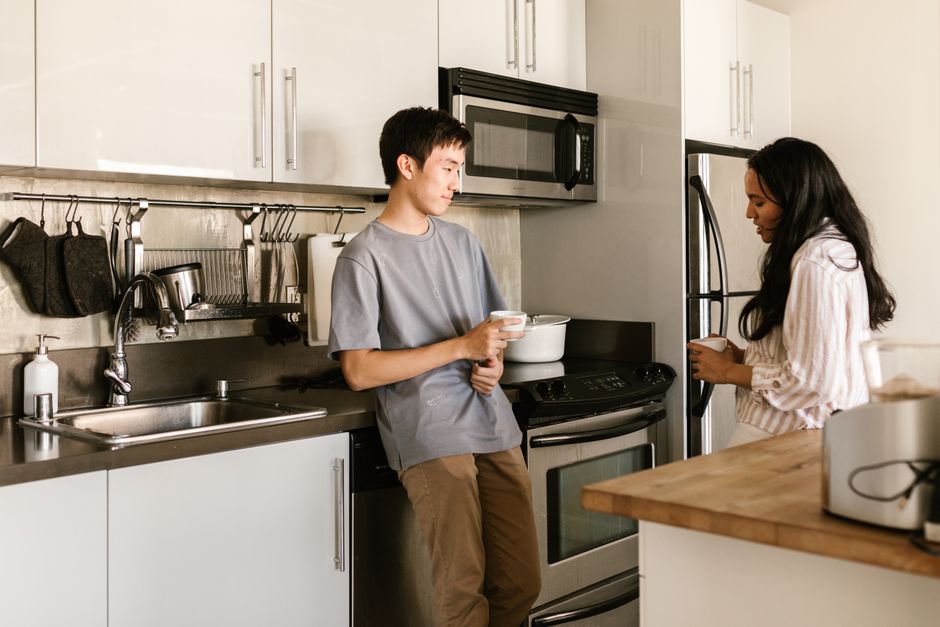
The kitchen counter is cluttered with the remnants of last night’s dinner, and the smell of burnt toast lingers in the air. It’s an ordinary weekday morning, and the alarm clock across the room buzzes insistently, a reminder that time is slipping away. As I scramble to gather my things, I realize I’ve overlooked a crucial part of my morning routine: checking the weather. The umbrella, still tucked away in the closet, is a reminder of how small oversights can escalate into bigger issues.
With a phone notification interrupting my thoughts, I quickly swipe it away, but the distraction pulls me further from my morning reset. I glance at the clock and feel the pressure mount. The cereal box sits unopened, and the coffee pot is still cold on the counter. I know I should have set the alarm closer to the bed, allowing for a smoother transition into my day. Instead, I’m left racing against the clock, with too many steps hidden until the last minute, leading to chaos instead of the calm I was hoping for.
The Morning Rush at the Kitchen Counter
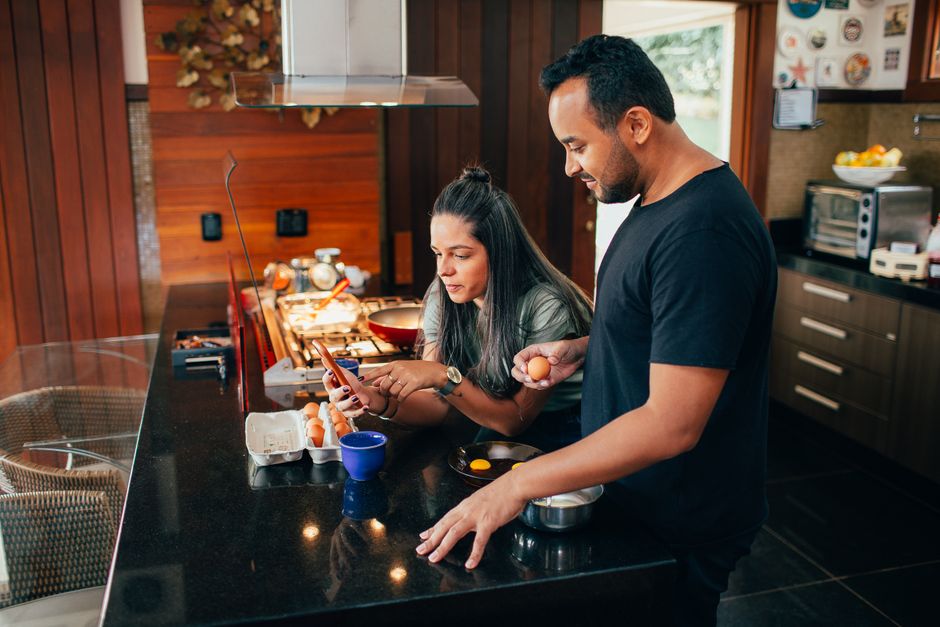
The kitchen counter is a chaotic tableau of breakfast items: an open box of cereal, a half-full coffee pot, and a plate waiting to be filled. The clock on the wall ticks closer to 8 AM, a relentless reminder that time is slipping away. My phone buzzes incessantly with notifications, pulling my attention away from the task at hand. I glance at the screen, but the distraction only adds to the mounting pressure of my morning routine.
As I scramble to pour cereal, I realize I’ve skipped a crucial step: checking the weather. The umbrella, still leaning against the wall, reminds me of how easily these small oversights can snowball into bigger problems. I should have moved it to the door last night, but instead, it’s just another item on my mental checklist that never got addressed. With the coffee still cold and the clock ticking louder, I know I need to set my alarm across the room tonight to force myself out of bed sooner. Each moment wasted now feels like a tradeoff, and I’m left racing against the clock, with my weekday routine unraveling before my eyes. The First Step That Gets Skipped My alarm blares from across the room, a necessary evil that forces me to rise. The distance means I have to physically get out of bed, but it also gives me a moment to linger in the warmth of my covers. As I finally swing my legs over the side, I realize I’ve already lost precious minutes. The coffee maker, set to brew at 7:30 AM, is now just a reminder of my sluggish start. I should have prepared my breakfast the night before, but instead, I’m left scrambling to decide between a quick bowl of cereal or toast.
As I rush to the kitchen counter, I spot the umbrella leaning against the wall, a silent witness to my oversight. I forgot to check the weather before heading out, and now it’s a last-minute scramble to grab it. The clock ticks louder, and I can feel the pressure mounting. If I had just moved it to the door last night, I wouldn't be facing this chaotic moment. Instead, I’m forced to juggle breakfast preparation with a frantic search for my keys, which I can’t find because they’re buried under a pile of mail on the table.
One small oversight leads to another, and my morning routine begins to unravel. I pour the cereal but forget to grab a spoon, leading to a chaotic dash back to the drawer. With each missed check, the routine feels less like a well-oiled machine and more like a series of unfortunate events. Tonight, I need to set a reminder to check the weather and move that umbrella, ensuring my morning doesn’t spiral out of control again.
Why Notifications Disrupt the Flow
This same friction shows up again in Everyday Life In The, especially when the day tightens unexpectedly.
Standing at the kitchen counter, I pour milk into my bowl of cereal, the morning light filtering through the window. I have a rhythm to my breakfast routine, but as I reach for the orange juice, my phone buzzes loudly on the table. It’s a notification, a reminder about an appointment I had already planned for later. In that moment, my focus shifts entirely. I glance at the screen, and suddenly, the cereal bowl and juice carton fade from my mind.
This distraction leads to a cascade of forgotten tasks. I realize I haven’t packed my lunch yet, and the clock is ticking down to my departure time. As I scramble to throw together a sandwich, I remember I need to grab my umbrella, but it’s still sitting by the front door where I left it last night. I had intended to check the weather before heading out, but now I’m racing against time, trying to balance breakfast prep with last-minute packing. The hidden step of checking my notifications has disrupted my flow, turning what should be a straightforward routine into a frantic scramble.
Good intentions alone aren’t enough to keep my morning smooth. I had planned to set my phone to Do Not Disturb mode, but I forgot to do it before bed. Now, I’m left with a choice: do I ignore the notifications and risk missing something important, or do I let them pull me away from my tasks? The tradeoff feels stark, and as I dash out the door, I can’t shake the feeling that I’ve left something behind. This morning chaos is a reminder that even small distractions can unravel the best-laid plans, leaving me to wonder how to reclaim that lost flow.
A Better Order for the Same Five Minutes
A slightly different version of this problem appears in Daily Routines Real Life, where the sequence changes but the hidden drag feels familiar.
Setting the alarm on my bedside table to ring just a bit earlier has been a game changer. Instead of reaching for my phone to silence it, I can simply swing my legs over the side of the bed and stand up. This small adjustment eliminates the temptation to linger in bed, scrolling through notifications that can easily eat up precious minutes. With the alarm across the room, I’m already in motion, which helps me stay on track.
Preparing breakfast items the night before is another critical step that streamlines my morning routine. I take a few minutes after dinner to portion out oats and chop fruit, placing them in clear containers in the fridge. This way, when I’m at the kitchen counter the next morning, I can simply grab the containers and assemble my meal without fuss. It’s a small habit that makes a noticeable difference, allowing me to avoid the chaos of last-minute decisions about what to eat.
One key sequence change is to make my morning beverage—coffee or tea—first on the list. While the oats soak, I can focus on brewing my drink, which gives me a moment to breathe before diving into the rest of my tasks. This setup not only kickstarts my day but also creates a small ritual that I look forward to, reinforcing consistency in my weekday routine. By prioritizing these steps, I can leave the house feeling more organized and less rushed, reducing the risk of forgetting essentials like my umbrella, which often gets left behind in the shuffle.
What to Check Before the Phone Takes Over
On a typical weekday morning, standing at my kitchen counter, I often find myself in a rush, juggling breakfast prep while my phone buzzes with notifications. This chaotic setup can lead to forgotten essentials, like my keys or umbrella, which I usually leave behind in the last-minute scramble. To counter this, I’ve started placing a checklist on the fridge door. It’s a simple, visible cue that reminds me to grab my keys, wallet, and umbrella before heading out. Each item is written in bold letters, making it hard to miss.
Before I even pour my coffee, I make it a point to turn off notifications on my phone. This small adjustment helps me focus on breakfast without distractions. I’ve noticed that when I skip this step, I often get sidetracked by messages or alerts, which can derail my routine. After brewing my coffee, I take a second to glance at the checklist. This quick check acts as my final assurance that I’m not leaving anything behind.
In this sequence, placing the checklist on the fridge has become a crucial part of my morning ritual. It’s not just about checking items off; it’s about creating a moment of pause before the day begins. By integrating this small habit into my routine, I can step out of my apartment feeling more organized and less rushed, ultimately setting a better tone for the rest of my day.
What Gets Easier in the Next Time Block
Standing at the kitchen counter, I often find myself juggling multiple tasks during breakfast. The coffee pot gurgles in the background while I scan the countertop for my go-to breakfast items. This morning, I notice the cereal box is almost empty, and the milk is nearing its expiration date. These small details, if overlooked, can lead to a chaotic start, making me feel rushed as I scramble to find alternatives.
To streamline this process, I’ve started placing a small habit into my routine: I check the pantry and fridge the night before. This quick inspection allows me to ensure that essentials are stocked and ready. If I find anything lacking, I can plan a quick grocery run during my lunch break instead of panicking in the morning. When I skip this step, I often end up with a last-minute decision to grab a granola bar instead of a proper breakfast, which leaves me feeling unsatisfied.
As I pour the last of the milk into my bowl, I glance at my phone, which buzzes with notifications. I’ve learned to silence it during breakfast to avoid distractions. This small adjustment not only helps me focus on my meal but also sets a calmer tone for the next part of my day. By the time I finish breakfast, I feel more grounded and ready to tackle the tasks ahead, rather than rushing out the door in a frenzy.
As I stand at the kitchen counter, the chaos of forgotten tasks looms large. The coffee maker gurgles, but I realize I haven't checked the pantry for breakfast essentials. This oversight is a familiar one; when I skip that crucial step, I often find myself scrambling for something to eat, leading to a rushed morning. The umbrella that should be by the door remains in the corner of the living room, a small but telling sign of my disorganized exit strategy.
To combat this, I’ve started placing my phone across the room at night, forcing myself to get up to silence the alarm. This simple action not only helps me wake up but also prompts a quick mental check of my morning routine before I leave the room. By making these hidden steps visible, I can avoid the last-minute chaos that disrupts my day. Next time I prepare for bed, I’ll ensure I check the pantry and move the umbrella back to its rightful place by the door, setting myself up for a smoother morning.